How Your Home Affects Your Mood: The Psychology of Space and Emotion
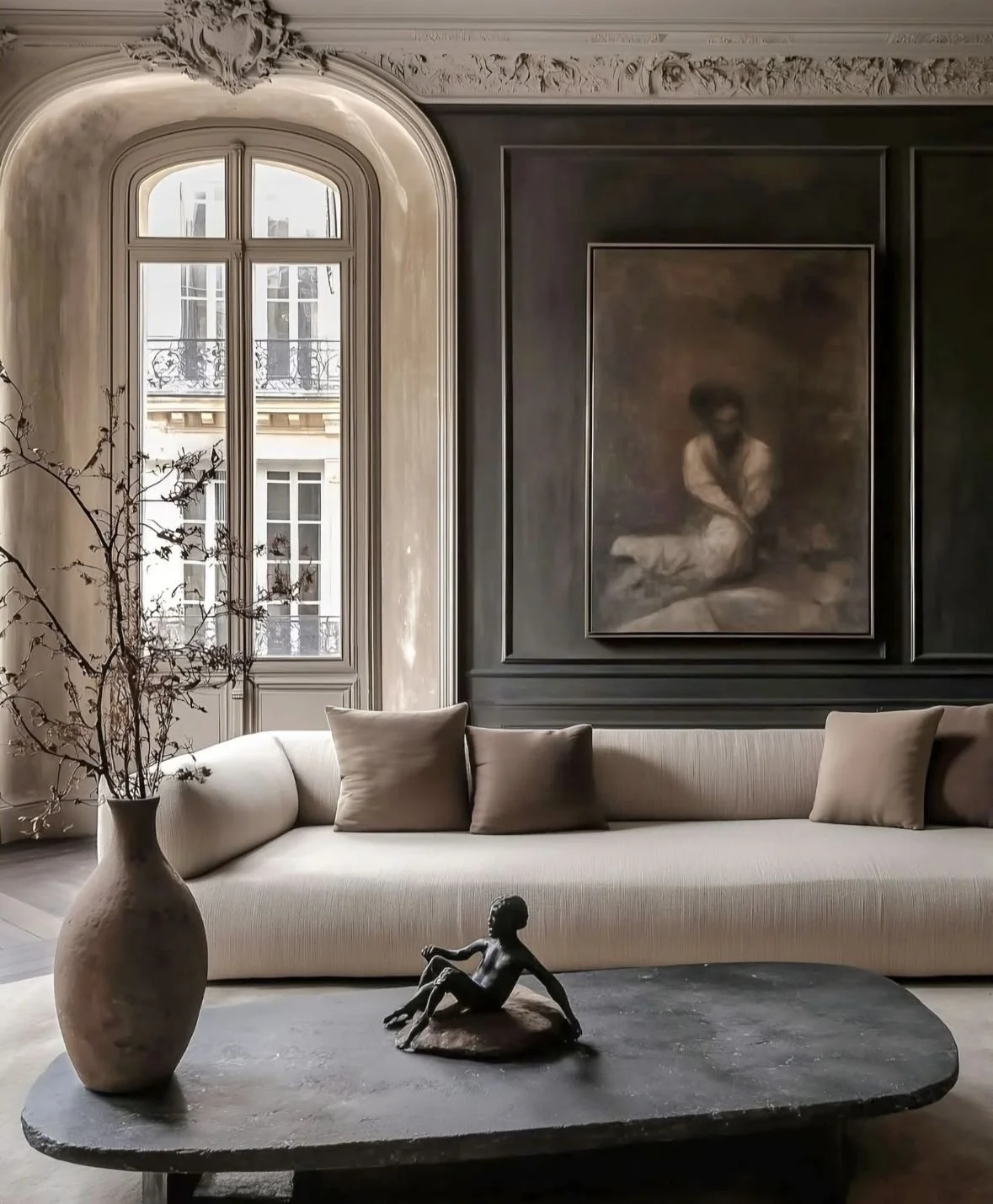
When you walk into a space, it immediately evokes certain feelings. Some rooms feel peaceful and help to calm you down after a busy day. Others might make you feel a little on edge, even when everything looks fine.
Emotional architecture is the idea that your home affects your mood in a real way. Your home can fill you with positive emotions or being in certain rooms can slowly wear you down.
This isn’t just design talk. Research in environmental psychology has found that interior color and lighting are linked to changes in mood, comfort, and even how easily people can concentrate. Studies on lighting show that different combinations of brightness and color temperature can feel either pleasant and natural or uncomfortable and stressful, depending on how they’re used. And work on “place attachment” suggests that feeling connected to your home is tied to better well-being overall.
You don’t need a renovation or a big budget to work with this. The point is to start seeing your home as an emotional space, not just a functional one. You can make small, thoughtful adjustments so your home feels calmer from the moment you walk into it.
What Is Emotional Architecture?
Emotional architecture is designing and arranging your home so it supports the way you want to feel.
So when decorating your home, instead of asking “What style should this room be?” emotional architecture starts with, “How do I want this room to make me feel?”
In architecture and interior design, there’s a whole field called experiential interior design that looks at how spaces influence our emotions, thoughts, and behavior, not just how they function. That same idea can be brought down to the level of a small apartment, a house, or even a single corner of a room.
More in Leisure
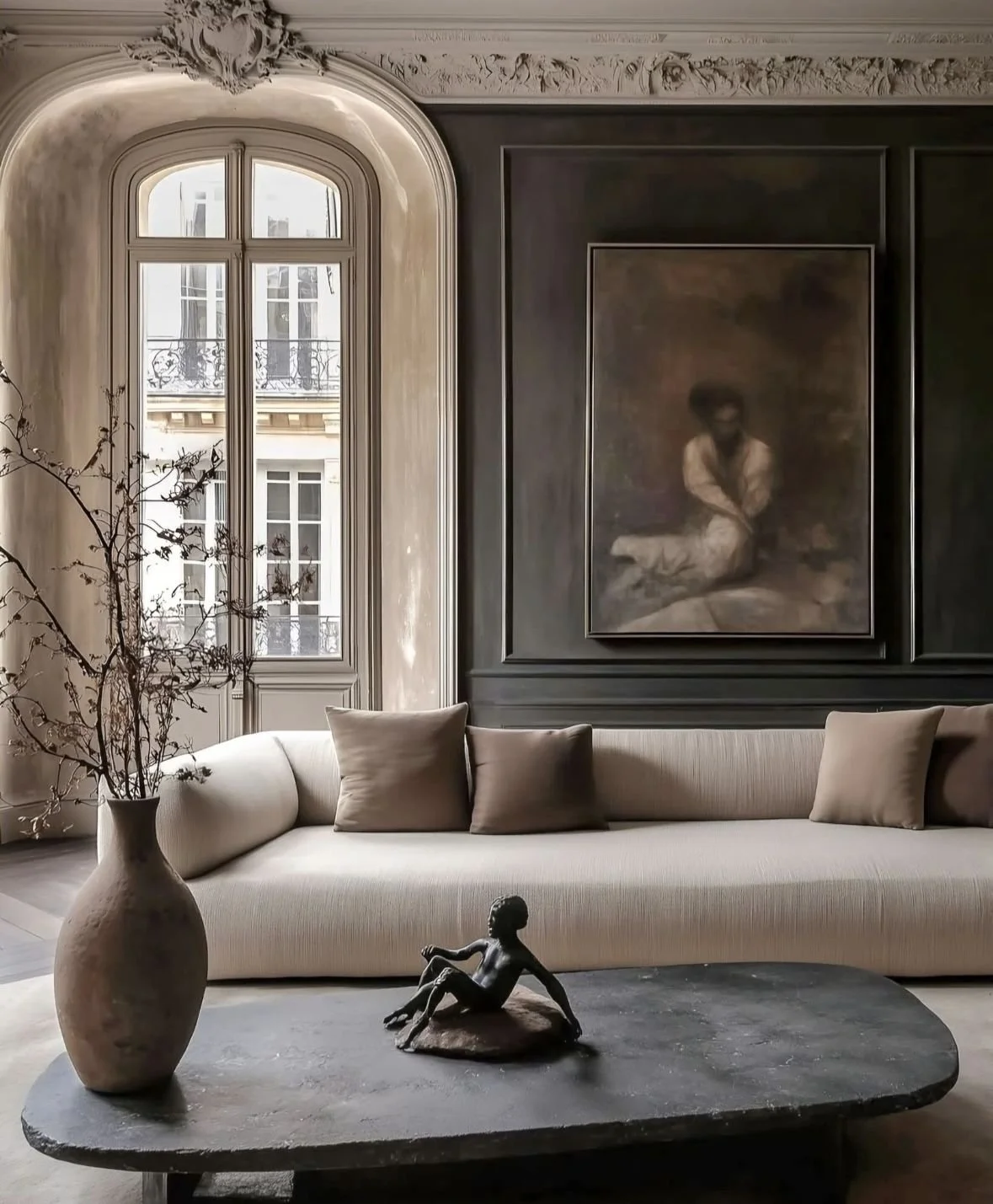

How Your Home Affects Your Mood
You already know what it feels like when a room is just off. The lighting is too bright or too dim, the colors feel heavy, or the furniture placement is such that you can’t quite relax. You may not consciously realize it, but your body notices.
Here are a few of the main ways emotional architecture shows up at home.
Light: The First Signal Your Brain Reads
Light is usually the first thing you register when you walk into a room. Research on the psychology of light shows that different lighting levels and color temperatures can influence mood, productivity, and comfort. Bright, cool light is stimulating and better for focused tasks. Warm, softer light tends to feel more relaxing and pleasant, especially in the evening.
Translated into everyday life, this means:
A living room lit only by one harsh ceiling light will feel very different from the same room lit by a few warm lamps.
A bedroom with a cold, bright bulb by the bed can feel more like an office than a place to rest.
You don’t need fancy fixtures. Just switch the lightbulbs in your home to a warmer tone or add a small table lamp to change the mood of a room in a noticeable way.
Color: Quiet, Constant Mood Cues
Color sends a steady stream of signals to your brain and hence your mood. You’ve probably felt this in hotels, restaurants, or offices without realizing why. Some rooms feel soothing and spacious. Others feel busy without anything actually happening in them.
Articles on color psychology in interior design repeatedly come back to the same conclusion. Warm neutrals and soft earth tones tend to feel cozy and grounding, while greens and blues are often experienced as calming and peaceful. Highly saturated, intense colors can be energizing in small doses but tiring when they dominate a whole room.
At home, you can use this knowledge very simply:
Choose calmer colors for rooms where you rest or read.
Save stronger, more energetic colors for smaller accents or for spaces where you want more activity, like a dining nook or creative corner.
Shape and Layout: How Safe or On Edge You Feel
The shapes in your space also matter more than we realize.
Research on architectural form and emotion has found that curved, softer lines are often associated with feelings of safety and pleasantness, while very sharp, angular spaces can feel more tense or formal.
Again, this doesn’t mean you need a home full of arches. It might simply look like:
A round coffee table instead of a glass rectangle you always bump into.
An arched mirror, a curved lamp, or a circular tray to soften a room full of straight lines.
Furniture arranged so you’re not sitting with your back to the door all the time.
Layout matters too. If you constantly have to twist, squeeze, or step over things, the room will never feel truly restful. A little space to move and breathe can change how you feel in a very real way.
Making Emotional Architecture Work in Your Own Home
So how do you use all of this without turning your life into a renovation show? Start small.
Pick one room you actually live in every day. Not the “someday” guest room, the real one: your bedroom, living room, or workspace. Then ask two questions:
How do I usually feel when I'm here?
How do I want to feel here?
From there, you can make tiny, realistic changes.
In the Living Room
If you want your living room to feel like a place to unwind:
Light: Swap one bright overhead light for two or three softer lamps you can switch on separately.
Color: Add one or two textiles in calming tones you actually like (a throw, pillows, a simple rug).
Layout: Make sure the main seat you use has a clear view of the entrance and isn’t squeezed in a corner.
In the Bedroom
If your bedroom is doing double duty as storage, office, and TV room, it may be hard for your body to associate it with rest.
You might try:
Keeping screens out of direct sight from the bed, or at least turning them fully off at night.
Using a softer, warmer bulb in your bedside lamp.
Choosing bedding and a wall color that feel quiet rather than “busy” when you first wake up.
Research on interior design and mental health often returns to the idea that calm color palettes and comfortable lighting support emotional well-being. Your bedroom is a good place to apply that idea first.
In the Workspace
A home workspace can easily become a stressful area of your home. You want this space to support long days of focus and gentle productivity.
Give yourself at least one thing in sight that has nothing to do with work—a photo, a plant, a print you love.
Make sure your main light is bright enough to work, but not so stark that it feels like a factory.
Clear the immediate area you see when you look up from your laptop; piles in your direct line of sight quietly add to the feeling of being behind.
The Emotional Side of Home
Underneath all the specific choices, there’s a bigger idea: your relationship with your home.
Environmental psychologists call this place attachment—the emotional bond we form with spaces that matter to us. Studies link stronger attachment to home with better well-being and resilience. You build that attachment through repeated, meaningful moments: reading in the same chair, lighting a candle before dinner, tidying one small area every night.
None of this has to be perfect or aesthetic. It just has to be true to your life. Emotional architecture is less about decorating and more about asking, “Does this space take care of me in the way I need right now?”
Emotional architecture gives you a simple lens:
Notice how light, color, and layout are affecting your mood.
Decide how you actually want to feel in a room.
Make small changes that bring those two things closer together.
Start with one room or one tiny change. Switch a bulb. Move a chair. Clear one surface. Then pay attention to how you feel over the next week.
If you’d like to keep exploring this, you might enjoy reading:
And I’d love to hear from you: which room in your home is affecting your mood the most right now—and what’s one small thing you’re going to change?
Read Next



Want to read more books without turning it into a chore? A gentle, research-backed way to build a reading habit that feels like pleasure, not homework.